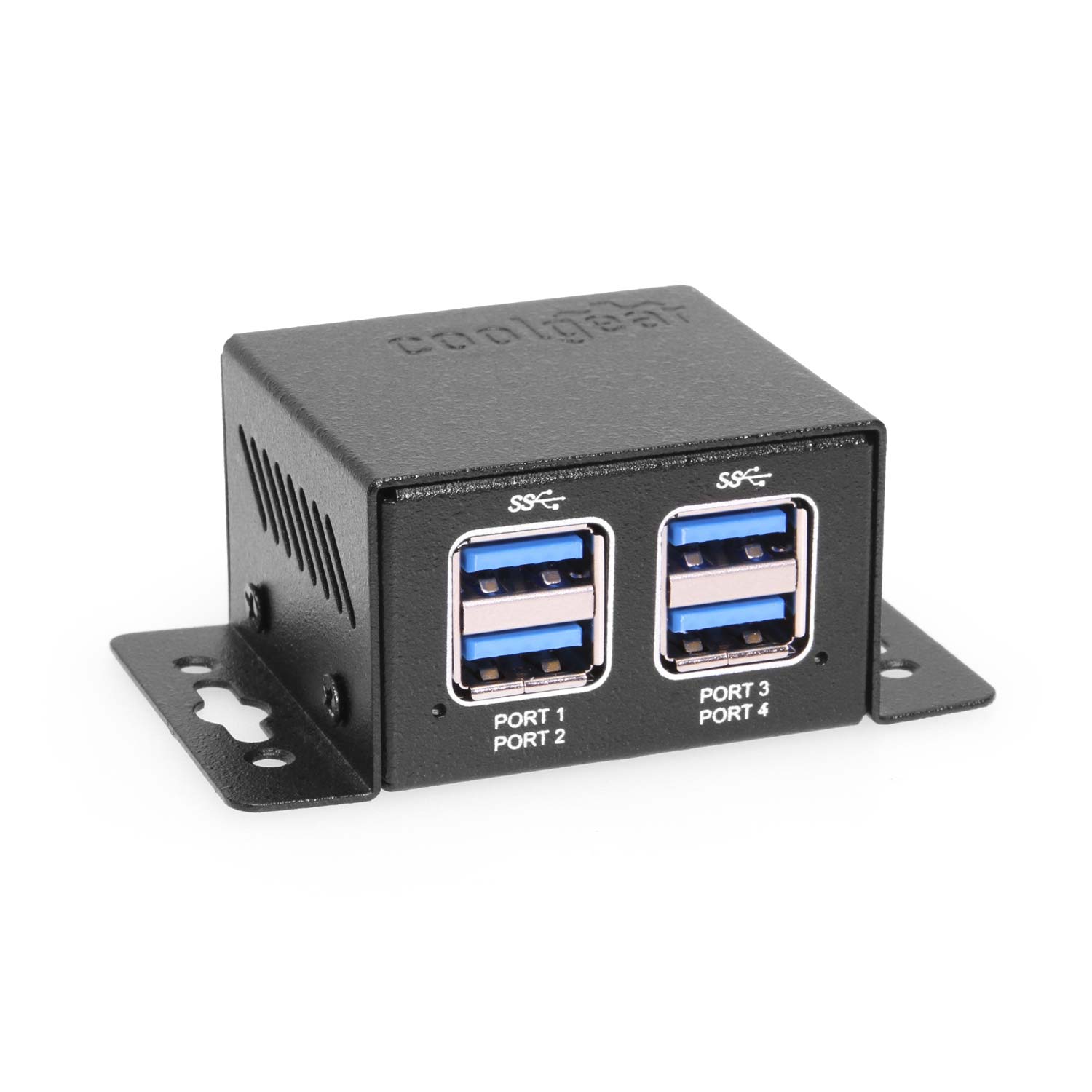
The Ultimate Guide to Choosing the Right USB Hub for Your Devices
When it comes to optimizing your workspace or enhancing your device's connectivity, choosing the right USB hub is essential. With the variety of options available, it’s important to consider factors such as the number of ports, data transfer speeds, and compatibility with your devices. Start by assessing your needs: do you require multiple USB-A ports, or do you need a combination of USB-C and USB-A? Make a list of your devices and how you plan to use the hub; for instance, a gamer might prioritize faster data transfer rates, while someone who uses multiple peripherals may need a hub with more ports.
Additionally, look for features that enhance functionality, such as power delivery capability, which allows you to charge your laptop while using the hub. Another important aspect is the form factor – whether you prefer a compact portable hub or a larger stationary one with extensive features. Pay attention to user reviews and ratings to gauge reliability and performance. By keeping these key considerations in mind, you can confidently select a USB hub that meets your needs and keeps your devices connected seamlessly.
Counter-Strike is a popular first-person shooter game that pits teams of counter-terrorists against terrorists in various objective-based scenarios. Players can choose from a variety of weapons and strategies to succeed. For those looking to enhance their gaming experience, consider checking out the Top 10 Travel USB C Hubs to ensure your devices are always charged and ready to go.
Top 5 Features to Look for in a USB Hub: Making the Right Choice
When choosing a USB hub, it's essential to consider features that enhance usability and performance. Here are the top 5 features you should look for:
- Number of Ports: Ensure the hub has enough ports to accommodate your devices. A hub with at least 4 to 7 ports is generally recommended for average users.
- Data Transfer Speed: Look for USB 3.0 or higher for fast data transfer rates, up to 5 Gbps. This is crucial for transferring large files quickly.
- Power Supply: A powered USB hub offers dedicated power to connected devices, which is particularly important for power-hungry peripherals like external hard drives.
- Build Quality: Choose a hub made from durable materials to ensure longevity. A well-constructed hub can withstand daily use without compromising functionality.
- Compatibility: Ensure the hub is compatible with your devices, both in terms of operating system and port types, such as USB-C or USB-A.
In addition to these features, consider the design and port layout of the USB hub. A compact, portable design can be more convenient for travel, while a hub with well-spaced ports prevents crowding and allows easy access to all devices. Ultimately, selecting the right USB hub can significantly enhance your productivity and streamline your tech setup.
USB Hub Troubleshooting: Common Issues and How to Fix Them
When your USB hub isn’t functioning properly, it can be frustrating. Here are some common issues that users encounter along with straightforward solutions. First, if your USB hub is not being recognized by the computer, try reconnecting it to a different USB port. This can resolve any connection issues caused by a faulty port. Secondly, ensure that all connected devices are compatible with the hub. Sometimes, other peripherals may draw too much power or are not supported, leading to malfunction. If problems persist, consider using a powered USB hub, which can provide extra power for your devices.
Another frequent issue is the USB hub intermittently disconnecting devices. This can be due to faulty cables or overloading the hub. Start by checking all cables for signs of wear and replace any that are damaged. Additionally, if you have too many devices connected, try removing one or two to see if stability improves. In cases where the hub is not showing up at all, it might be worth checking your computer’s Device Manager for any conflicts or uninstalling and reinstalling the drivers associated with the USB hub. Properly diagnosing these issues can help restore functionality smoothly.