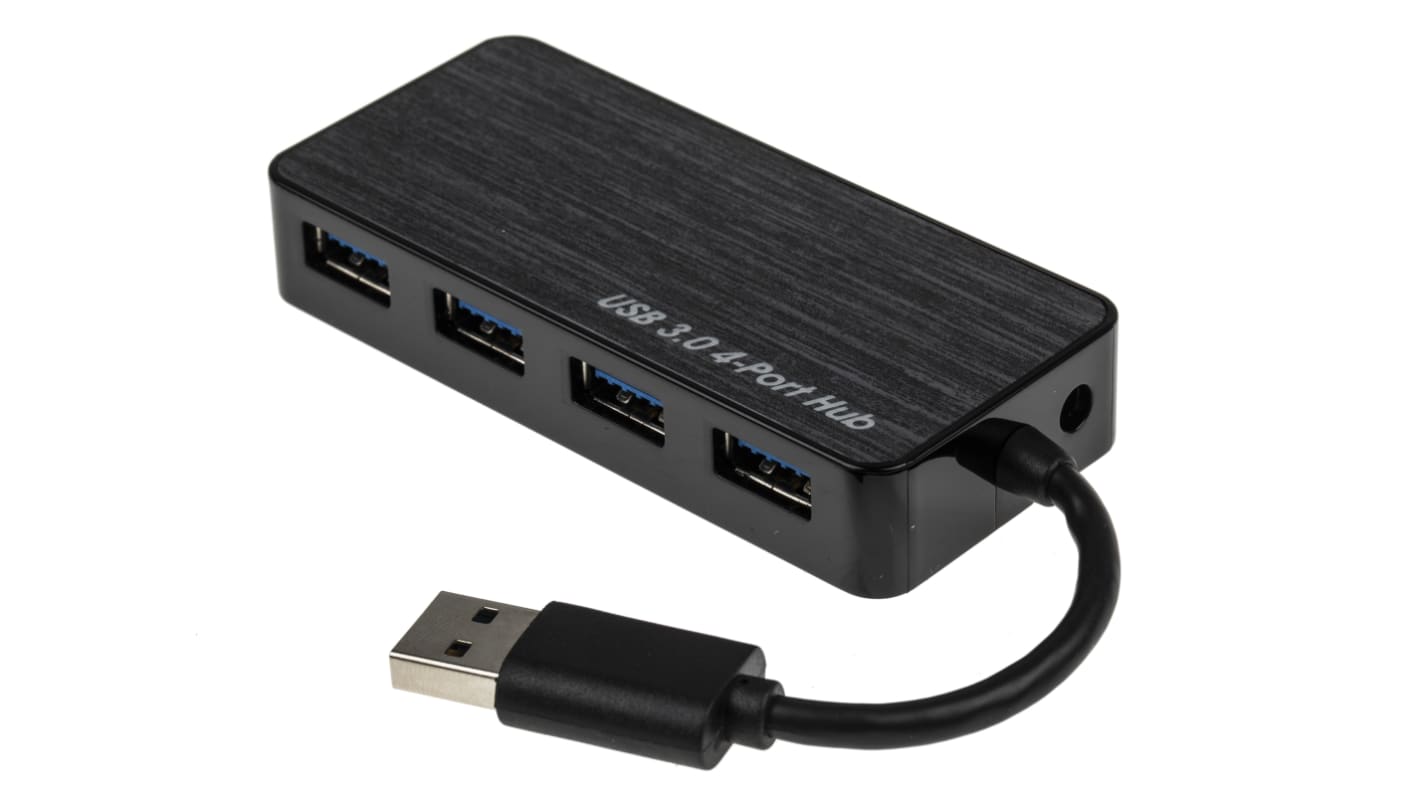
5 Surprising Uses for USB Hubs You Didn't Know About
While you may primarily think of USB hubs as simple devices to expand your computer's connectivity, they have several surprising uses that can greatly enhance your productivity. For example, did you know that USB hubs can serve as a power source for your electronic devices? Using a powered USB hub allows you to charge multiple devices simultaneously—perfect for tech enthusiasts juggling smartphones, tablets, and other gadgets. Additionally, they can also extend the reach of your peripherals with ease, allowing you to position devices like printers or external drives at a comfortable distance.
Another surprising use for USB hubs is their ability to enhance your gaming experience. Gamers can connect multiple controllers and devices through a single hub, making it easier to switch between different peripherals without needing to unplug and replug each device. Furthermore, you can utilize a USB hub to connect your external storage for an instant gaming library—allowing for seamless transitions between games and quick loading times. Finally, some USB hubs even come with built-in card readers, facilitating the quick transfer of media and files directly from your camera or phone.
Counter-Strike is a highly popular first-person shooter that emphasizes team-based play and strategy. The game pits two teams against each other, with one team taking on the role of terrorists and the other as counter-terrorists. Players can enhance their gaming experience with various peripherals and gear, and if you're interested in optimizing your setup, check out the Top 10 macbook accessories for gaming.
How Do USB Hubs Work? A Deep Dive into Their Functionality
USB hubs are devices that expand a single USB port into multiple ports, allowing various peripherals to connect simultaneously to a computer. The fundamental principle behind a USB hub is that it serves as a bridge between the computer and the connected devices, enabling communication through the USB protocol. When a USB device is plugged into a hub, the hub detects the device and manages data transfers between the computer and the connected peripherals. This is particularly beneficial in scenarios where the number of available USB ports on a computer is limited. By acting as a central point, USB hubs support plug-and-play features, making it easy to connect and disconnect devices without restarting the computer.
There are primarily two types of USB hubs: powered and unpowered.
- Powered USB hubs: These hubs come with their power supply, providing sufficient power to connected devices such as external hard drives or multiple USB devices that require more energy.
- Unpowered USB hubs: These rely on the computer's USB port for power, making them suitable for low-power devices like keyboards, mice, or flash drives.
Choosing the Right USB Hub: What to Look For and Common Pitfalls
When it comes to choosing the right USB hub, there are several key factors to consider to ensure you make the best decision for your needs. First, assess the number of ports you require; hubs can range from two to ten ports or more. If you frequently connect multiple devices, such as printers, keyboards, and external drives, opt for a hub with ample ports to avoid the hassle of constantly swapping connections. Additionally, consider the hub's data transfer speed. Look for USB 3.0 or higher if you need fast data transfers, especially for large files. Lastly, check for compatibility with your devices to ensure seamless operation.
While selecting a USB hub, it’s crucial to be aware of common pitfalls that can lead to dissatisfaction. One significant mistake is underestimating the power supply requirements of connected devices. Some hubs do not provide sufficient power, which can lead to connectivity issues. Always look for a powered hub if you intend to use power-hungry devices. Another pitfall is overlooking build quality; a cheap, flimsy hub may not withstand regular use. Read reviews and choose hubs from reputable brands to avoid these issues and ensure longevity.