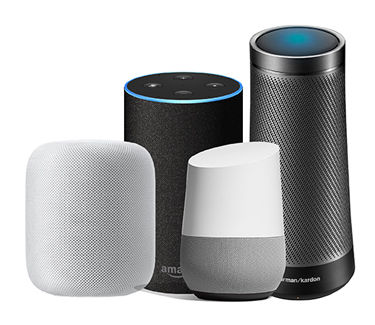
How Smart Speakers Learn Your Habits: A Deep Dive
Smart speakers, like Amazon Echo and Google Nest, have fundamentally changed the way we interact with technology in our daily lives. These intelligent devices utilize advanced machine learning algorithms to analyze and adapt to user behavior, allowing them to become more personalized over time. By processing voice commands and interactions, smart speakers gather data on your preferences, routines, and even specific phrases or tones you tend to use when asking questions or requesting assistance. This continuous learning process enables the devices to offer tailored responses, making them increasingly effective as digital companions.
Furthermore, the learning capabilities of smart speakers extend beyond just voice recognition. They can integrate with various smart home devices and learn your daily schedule. For example, a smart speaker can recognize when you typically wake up, and subsequently, it can automatically adjust your thermostat or turn on the morning playlist at the same time each day. As you continue to interact with your smart speaker, it builds a detailed profile of your habits, preferences, and even your emotional tone, allowing it to anticipate your needs more effectively and enhance your user experience significantly.
Counter-Strike is a popular tactical first-person shooter that has captivated gamers since its inception. Players are divided into two teams, Terrorists and Counter-Terrorists, and must complete objectives while eliminating the opposing team. For those looking to enhance their gaming experience, check out the Top 10 homepod mini accessories to find the best gear that can complement your setup.
Can Your Smart Speaker Predict Your Needs Better Than Friends?
In today's fast-paced world, smart speakers have become integral to our daily lives, seamlessly integrating with home automation systems and personal routines. But can your smart speaker predict your needs better than friends? With advanced algorithms and machine learning capabilities, these devices learn from your preferences and habits, refining their responses to cater to your unique lifestyle. For instance, when you ask for a morning briefing, your smart speaker can prioritize news topics based on your past interactions, perhaps even adapting to the time of year or significant events that matter to you.
While friends may understand your emotional needs and social preferences, they can be less reliable when it comes to managing tasks or staying updated on current trends. Smart speakers, such as Amazon Echo or Google Home, can provide personalized recommendations and reminders with precision. With a smart speaker, you can receive timely alerts for important meetings, suggested playlists based on your mood, or instant answers to your burning questions, all while your friends might not be available. Thus, the combination of efficiency and adaptability makes smart speakers formidable contenders in predicting your needs, arguably even better than your inner circle at times.
The Surprising Ways Smart Speakers Understand You Better
Smart speakers have revolutionized how we interact with technology, offering a surprising range of capabilities that allow them to understand you better than ever before. One major factor contributing to this enhanced understanding is the incorporation of advanced natural language processing (NLP) algorithms. These algorithms enable smart speakers to discern context, tone, and even emotional cues within your voice, making interactions feel more personalized. For instance, when you ask about the weather, your smart speaker doesn't just regurgitate the forecast; it might infer from your recent queries that you're planning a picnic and provide tailored recommendations on the best time to go outside.
Additionally, smart speakers continuously learn from user interactions, adapting their responses based on individual preferences and habits. By utilizing machine learning models, these devices can remember your favorite music genres or your daily routines, enhancing their relevancy during each interaction. This ability to evolve ensures that as you engage more with your smart speaker, it increasingly understands you better and responds in a manner that feels intuitive. For example, if you frequently ask for dinner recommendations, your smart speaker might suggest recipes that align with your dietary preferences or favorite cuisines, making home life just a little more convenient.