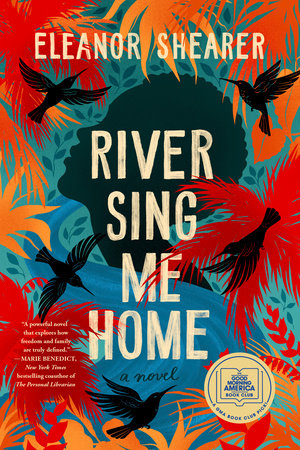
How Your Book Cover Choices Reflect Your Inner Personality
The choices we make when designing or selecting a book cover can often reveal more about our inner personality than we might think. For instance, someone who opts for vibrant, bold colors may be viewed as adventurous and extroverted, while those who prefer minimalist designs may exude a calm and collected demeanor. The visual elements such as typography, imagery, and color schemes not only capture attention but also serve as a reflection of the individual's tastes, values, and emotional states. This interplay between art and identity fosters an intriguing dialogue about how our aesthetic preferences shape and communicate who we are.
Moreover, our book cover choices can reveal our aspirations and how we perceive the world. For example, a person drawn to classic literature may favor traditional designs, indicating a respect for history and an appreciation for timeless narratives. In contrast, those who gravitate towards contemporary or avant-garde covers might showcase their desire for innovation and creative exploration. Ultimately, understanding the connection between our book cover choices and our personality traits can enhance our self-awareness and even guide us in making more meaningful connections with others who share similar tastes.
Counter-Strike is a highly popular multiplayer first-person shooter (FPS) game series that pits teams of terrorists against counter-terrorists. The gameplay involves strategy, teamwork, and skill, making it a favorite in competitive gaming. Players can enhance their gaming experience with tools such as Top 10 macbook keyboard covers to protect their devices while they play.
Discover What Your Favorite Album Covers Say About You
Your favorite album covers can reveal much more about your personality and preferences than you might think. Each style, color, and imagery chosen by artists is often a reflection of the music inside, but it also speaks to the listener’s identity. For example, if you are drawn to vibrant and abstract covers, you may possess an adventurous spirit and an appreciation for creativity. Discover what your favorite album covers say about you by examining the themes and emotions they evoke. Are you more inclined towards monochrome aesthetics or bright pop art? Your choices can unveil your emotional landscape and how you connect with the world around you.
Moreover, album covers can also tap into nostalgia and influence your social interactions. If you favor classic rock album covers, it might indicate a preference for timelessness and a love for deep-rooted connections. Meanwhile, selecting contemporary or minimalist designs could suggest a modern outlook and a desire for simplicity in your life. Understanding what your favorite album covers say about you can enhance your self-awareness and help you relate better with others who share similar tastes. So take a moment to reflect on your collection and consider the deeper meanings behind these artistic expressions!
The Psychology Behind Cover Art: What Your Selections Reveal
The choice of cover art is not merely a visual decision; it is a reflection of psychological underpinnings that influence both the creator and the audience. Cover art serves as a crucial branding tool that encapsulates the essence of the content it represents, evoking emotions and setting expectations. According to psychological theories, color theory plays an essential role in how viewers perceive art. For instance, warm colors often stimulate excitement and passion, while cool colors can evoke calmness and serenity. Therefore, examining cover art choices can reveal not only the aesthetic preferences of the creator but also the emotional responses they wish to elicit in their audience.
The psychology behind cover art extends to the societal narratives and cultural norms that inform our choices. When a specific artwork aligns with prevailing trends or resonates with particular demographics, it offers insights into the target audience's values and desires. For example, a minimalistic design may indicate a preference for simplicity and sophistication, while a vibrant, intricate design could speak to the viewer's craving for adventure and complexity. Such insights are crucial for marketers and content creators, as understanding these psychological implications can significantly enhance their strategies in attracting and retaining their audience.