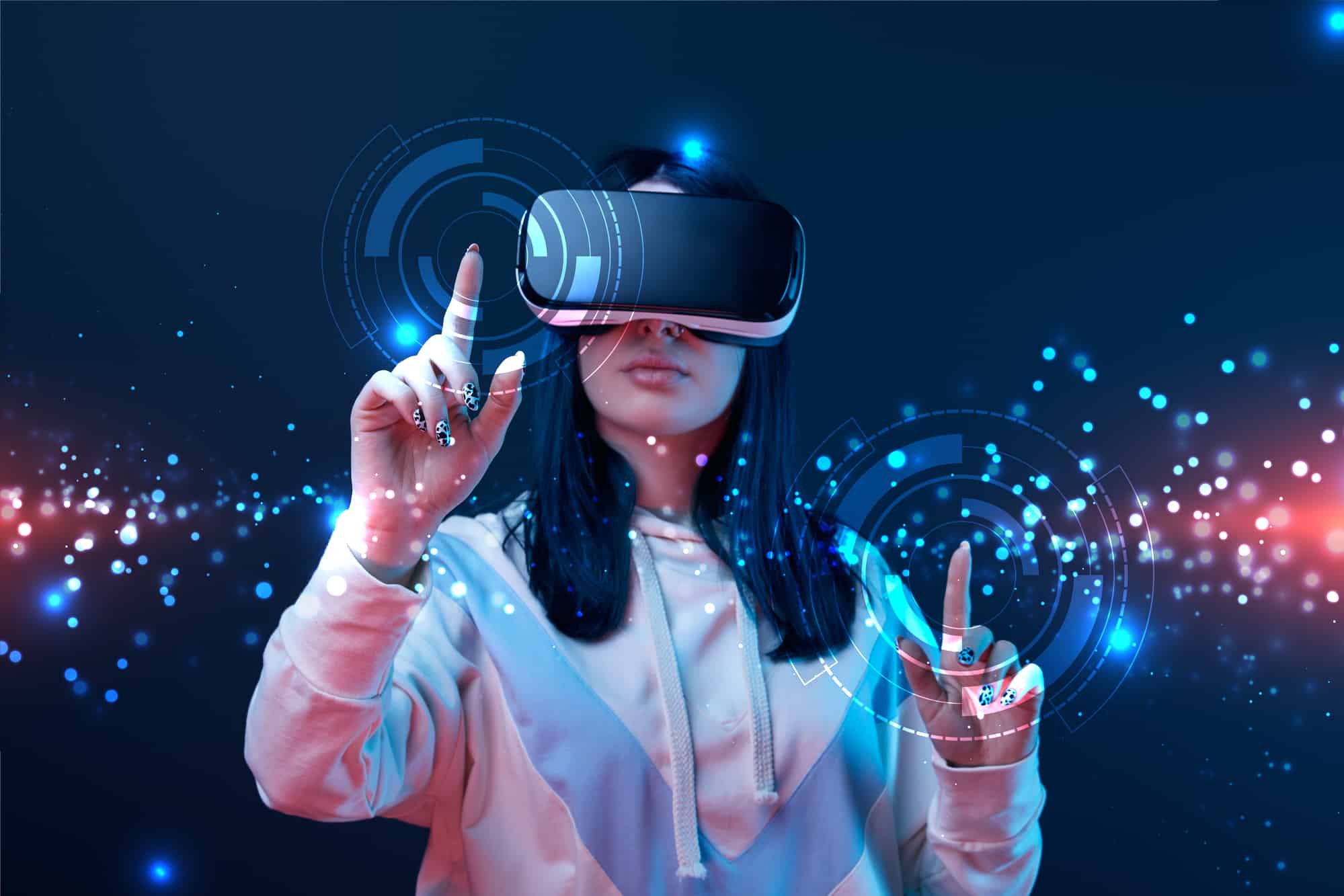
How Augmented Reality is Transforming Our Daily Interactions
Augmented Reality (AR) is revolutionizing the way we interact with our environment and each other. By overlaying digital information onto the physical world, AR provides immersive experiences that enhance our perception of reality. From interactive advertisements to virtual try-ons in retail, AR is making everyday tasks more engaging and efficient. As we integrate AR technology into our daily lives, our interactions become richer and more meaningful, fostering a deeper connection with both the products we use and the people we engage with.
The impact of Augmented Reality extends beyond just entertainment and shopping; it is also transforming communication. With tools like AR filters on social media platforms, users can express themselves in unique ways, creating a more dynamic form of interaction. In education, AR is being utilized to create immersive learning experiences, allowing students to visualize complex concepts in an interactive manner. As AR continues to evolve, its potential to redefine how we communicate and collaborate in both personal and professional settings is becoming increasingly apparent.
Counter-Strike is a popular first-person shooter game that revolves around team-based gameplay. Players can choose to be part of a terrorist or counter-terrorist team, with the main objective being to eliminate the opposing team or complete specific missions. For those looking to enhance their gaming setup, check out the Top 10 magsafe accessories that can help improve performance and overall experience.
The Rise of Virtual Reality: A Deep Dive into Its Impact on Business and Society
The rise of Virtual Reality (VR) technology is reshaping the landscape of business and society in profound ways. Businesses across various sectors—from gaming and entertainment to education and healthcare—are leveraging VR to create immersive experiences that enhance customer engagement and streamline operations. According to recent studies, organizations that implement VR into their training programs report a 35% increase in employee retention and a more efficient onboarding process. As companies seek innovative solutions to stay competitive in a rapidly evolving market, the integration of VR technology is proving to be a game changer.
Moreover, the societal impact of Virtual Reality cannot be overlooked. This technology is being utilized for therapeutic purposes, helping patients combat anxiety and phobias through exposure therapy. Additionally, VR promotes social interaction by connecting people in virtual environments, regardless of geographical barriers. As we continue to explore its potential, cities and public spaces are beginning to adapt, potentially paving the way for a more immersive society. However, it also raises concerns around accessibility and ethical considerations, making it essential for stakeholders to navigate the complexities of this transformative technology responsibly.
What is the Metaverse and How Will It Change Our Perception of Reality?
The Metaverse is a collective virtual space created by the convergence of virtually enhanced physical reality and physically persistent virtual reality. This immersive environment allows users to interact with a computer-generated environment and other users in real-time through avatars. As technology continues to evolve, the Metaverse is set to redefine our understanding of reality by blending digital interactions with the physical world. One can anticipate a future where activities such as shopping, socializing, and even attending events take place in these virtual settings, creating unparalleled opportunities for engagement and collaboration.
As we delve deeper into the possibilities of the Metaverse, our perception of reality may shift dramatically. People will turn to virtual environments not just for entertainment but also for education and work. Consider the potential for remote work; rather than participating in a standard video call, employees could meet in a virtual office space, enhancing communication and collaboration. The implications of the Metaverse extend beyond personal interaction; businesses and creators will have new avenues to engage with consumers, thereby transforming marketing and brand loyalty. Ultimately, the Metaverse holds the potential to create a more interconnected and immersive world, where the boundaries between the physical and digital realms blur.