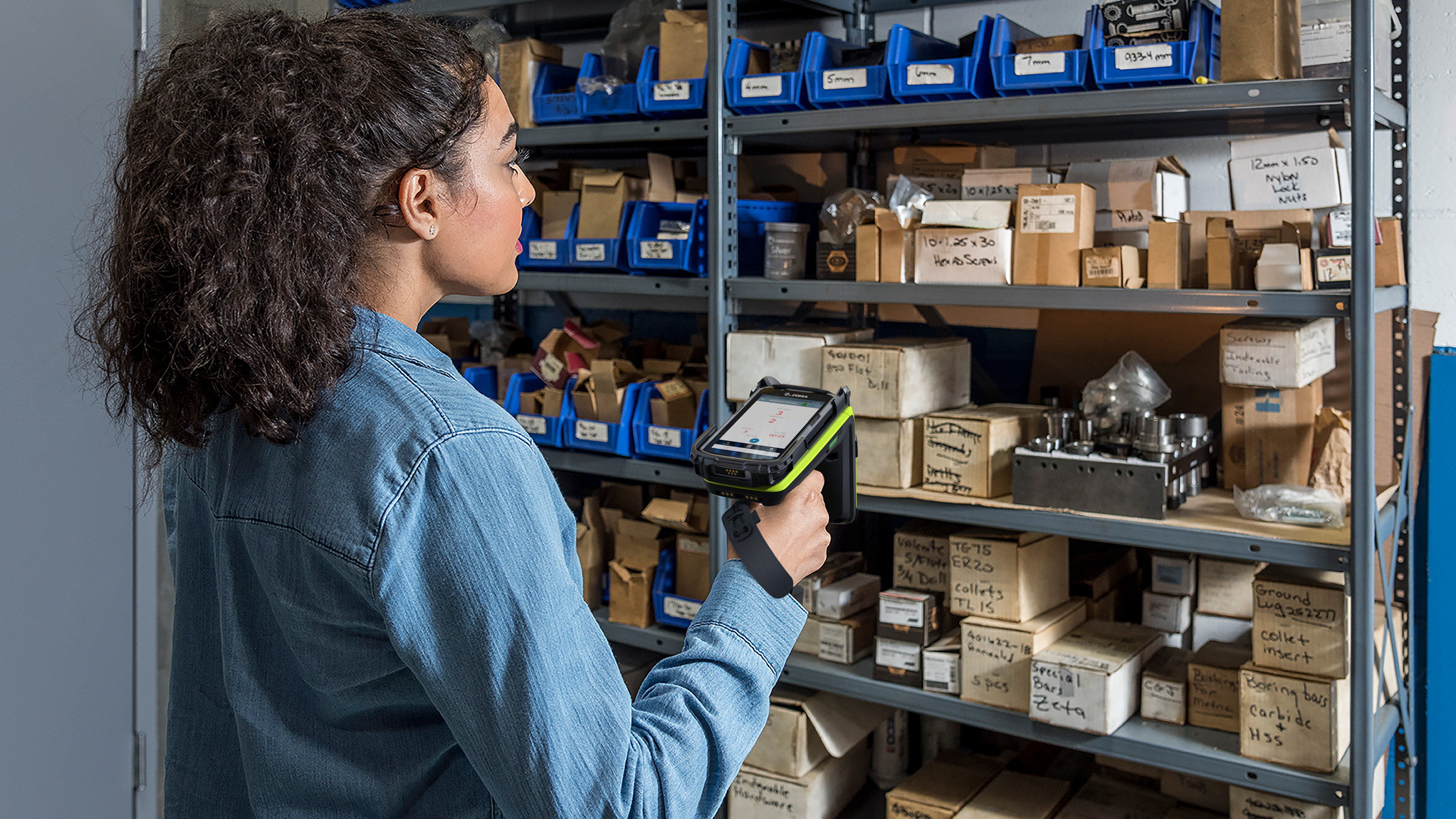
How RFID Technology is Revolutionizing Modern Transactions
The advent of RFID technology has transformed the way we conduct transactions across various industries. By utilizing radio-frequency identification, businesses can streamline their operations, enhance inventory management, and improve the overall customer experience. Unlike traditional barcodes, RFID tags can be read without direct line-of-sight, allowing for quicker and more efficient processing. This plays a crucial role in sectors such as retail, logistics, and healthcare, where timely data access is essential for decision-making.
Moreover, the impact of RFID technology extends to contactless payments, enabling seamless transaction processes for consumers. With just a simple tap of an RFID-enabled card or smartphone, customers can complete their purchases swiftly, thus reducing wait times and enhancing satisfaction. As businesses increasingly adopt this innovative technology, they benefit from improved accuracy, reduced operational costs, and enhanced security measures. The future of transactions is undeniably being reshaped by the countless advantages of RFID technology.
Counter-Strike is a highly popular first-person shooter game that pits teams of counter-terrorists against terrorists. Players engage in various objective-based missions, such as bomb defusal or hostage rescue. Its competitive nature and strategic gameplay have made it a staple in the eSports community, drawing players from around the world. For those interested in gaming accessories, check out the Top 10 magsafe wallets for a stylish and practical way to carry your essentials while gaming.
The Future of Retail: Understanding RFID’s Impact on Inventory Management
The retail industry is undergoing a massive transformation, with RFID technology leading the charge in revolutionizing inventory management. By incorporating radio-frequency identification (RFID) tags, retailers can achieve unparalleled accuracy in tracking their stock levels. This technology allows for real-time inventory visibility, reducing the chances of human error that commonly occur with traditional barcode scanning methods. As a result, retailers can restock items before they run out, minimizing lost sales due to inventory shortages and enhancing customer satisfaction.
Moreover, the benefits of RFID extend beyond just inventory accuracy. With the ability to monitor stock movement, retailers can identify trends and optimize their supply chains effectively. This data-driven approach enables more informed decision-making regarding procurement and merchandising strategies. Additionally, by streamlining inventory processes, retailers can allocate resources more efficiently, ultimately leading to increased profitability and a competitive edge in today's fast-paced market. Embracing RFID is not just a trend; it is a necessity for retailers looking to thrive in the future.
What You Need to Know About RFID: Benefits and Challenges in Transactions
RFID (Radio Frequency Identification) technology has revolutionized the way transactions are conducted in various industries by streamlining the process and improving efficiency. One of the main benefits of RFID is its ability to automate data capture and tracking, resulting in reduced human errors and faster transaction times. For instance, in retail, RFID can facilitate quick inventory checks and checkout processes, enhancing customer satisfaction. Additionally, RFID tags can store more information than traditional barcodes, providing businesses with valuable data analytics to optimize their supply chains and management strategies.
However, despite these significant advantages, there are notable challenges associated with the implementation of RFID technology. One of the primary concerns is the cost of installation and maintenance of RFID systems, which can be prohibitive for smaller businesses. Moreover, RFID systems are also vulnerable to security risks, such as unauthorized access and data breaches. Companies must invest in robust security measures to protect sensitive information transmitted through RFID, ensuring that the benefits do not come at the expense of customer trust and safety. Addressing these challenges is crucial for businesses looking to leverage RFID technology for enhanced transaction efficiency.