Top 5 Concealed Carry Mistakes and How to Avoid Them
When it comes to concealed carry, proper training and awareness are crucial for safety and effectiveness. However, many individuals make critical mistakes that can jeopardize not only their safety but also the well-being of those around them. In this article, we'll explore the Top 5 Concealed Carry Mistakes and how you can avoid them. First, one common mistake is failing to understand where your firearm is legally permitted. Always familiarize yourself with local laws and regulations regarding concealed carry to avoid legal repercussions.
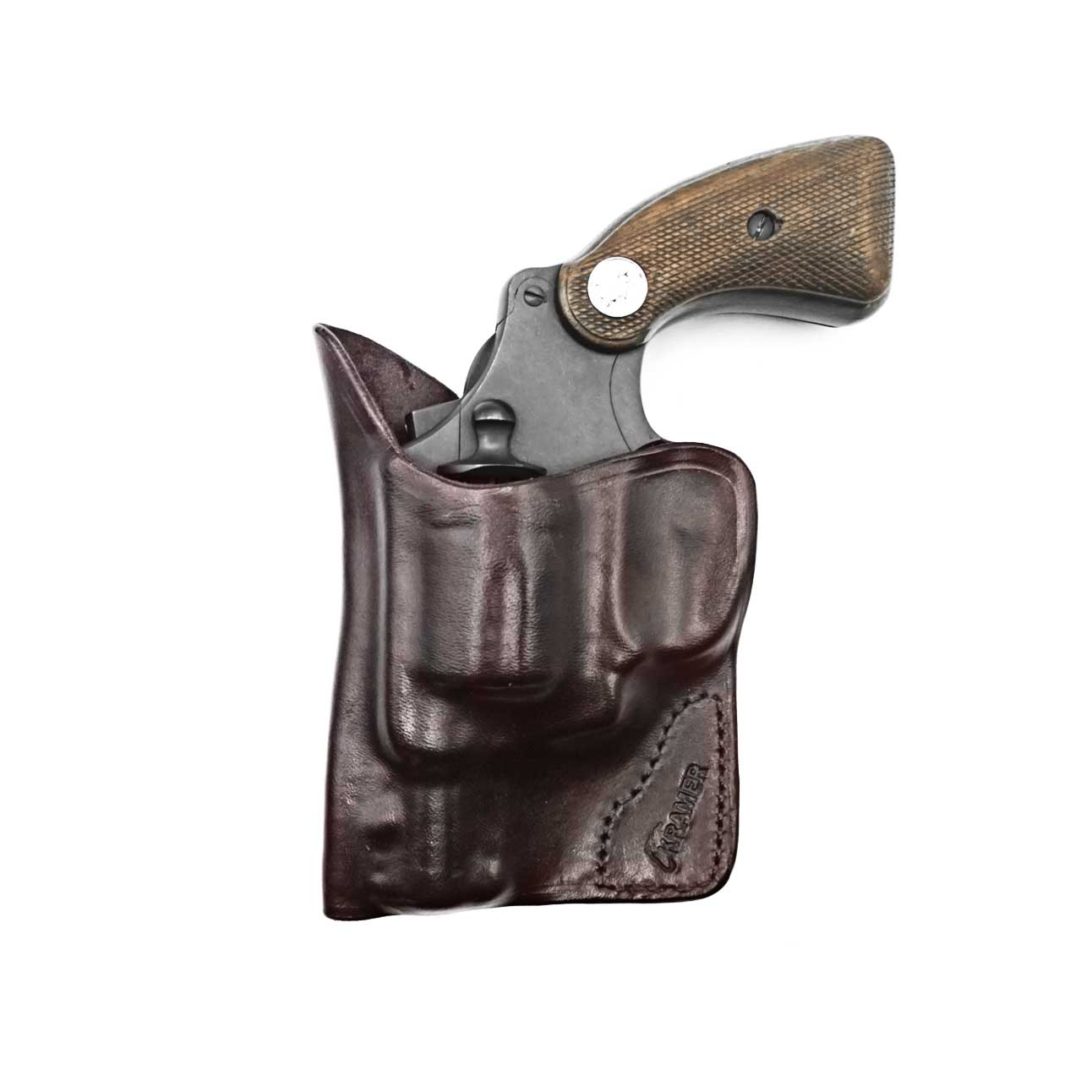
Another frequent error is neglecting regular practice and training. Even experienced gun owners can become complacent, but maintaining proficiency is essential. Create a consistent schedule for practice at the range that includes various drills to enhance your skills. Additionally, an overlooked aspect is the choice of holster. Using an inappropriate or uncomfortable holster can lead to dangerous situations or decreased accessibility. Invest in quality gear and ensure you select a holster that secures your firearm while providing easy access when needed.
Counter-Strike is a highly popular first-person shooter that has captivated gamers since its inception. The game pits two teams, terrorists and counter-terrorists, against each other in various objective-based scenarios. Players often seek the best gear to enhance their gaming experience; for those looking for accessories for their new devices, check out the Top 10 iPhone 17 Belt Clip Holsters. With its blend of strategy, teamwork, and skill, Counter-Strike remains a staple in the eSports community.
Are You Carrying Your Firearm Correctly? Common Missteps in Concealed Carry
When it comes to concealed carry, ensuring that you are carrying your firearm correctly is crucial not only for your safety but also for those around you. One of the most common missteps is improper holster selection. Using a holster that is not specifically designed for your firearm can lead to unintended consequences. For example, a holster that is too loose may allow your gun to shift or come out unintentionally, while one that is too tight may hinder quick access in emergencies. Always choose a holster that fits your firearm snugly and securely while also providing easy access when you need it.
Another key aspect of concealed carry is proper positioning. Many individuals mistakenly believe that any position on the body is suitable for carrying a firearm. However, the location of your weapon can affect accessibility and comfort. It's essential to ensure your firearm is within easy reach while remaining discreet. Common positions, such as the 3 o'clock or 4 o'clock position, tend to be ideal for right-handed shooters, but it may vary based on body type and clothing. Experimenting with different positions can help you find what works best for your daily activities while also adhering to concealed carry laws and safety practices.
The Ultimate Guide to Choosing the Right Holster for Concealed Carry
When it comes to choosing the right holster for concealed carry, several factors must be considered to ensure both safety and comfort. First and foremost, understand your primary needs: will you be wearing it daily, or only occasionally? This can affect the type of holster you select. It's essential to choose a holster that fits your firearm snugly and securely while providing a fast draw capability. You can consider options such as inside-the-waistband (IWB) holsters for a more discreet carry, or outside-the-waistband (OWB) holsters if you prefer more accessibility. Additionally, factors like the material—be it leather, kydex, or nylon—can impact how your chosen holster feels against your skin.
Another important aspect of choosing the right holster is the retention level. Various holsters come with different retention mechanisms, so you'll want to choose one that strikes a balance between security and accessibility. For instance, holsters with adjustable retention allow you to customize the draw experience based on your preferences. Take time to test your options; ideally, you should wear the holster in a setting similar to where you'll be carrying it most often. Lastly, remember that compliance with local laws is essential, as regulations for concealed carry holsters can vary. By considering these factors, you can make an informed decision that ensures your safety and confidence while carrying concealed.