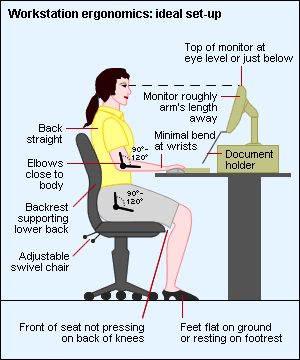
The Importance of Ergonomics: How Comfort Impacts Productivity
Ergonomics plays a crucial role in the workplace by optimizing human interaction with equipment and environments to improve comfort and efficiency. When employees are comfortable, they are more likely to maintain focus, reducing instances of distraction that can lead to decreased productivity. Studies have shown that implementing ergonomic solutions, such as adjustable desks and proper seating, can significantly enhance overall employee satisfaction and performance. A well-designed workspace not only supports physical health by reducing the risk of musculoskeletal disorders but also fosters mental well-being, allowing workers to thrive in their roles.
Additionally, investing in ergonomic practices can lead to long-term cost savings for businesses. For example, studies reveal that companies that prioritize ergonomic assessments and interventions often experience fewer lost workdays due to injuries. The financial implications of a healthier workplace cannot be overstated; not only do companies save on healthcare costs, but they also benefit from improved employee retention and lower turnover rates. In conclusion, the importance of ergonomics in enhancing comfort and productivity cannot be underestimated, as it serves as a foundational element in creating a thriving work environment.
Counter-Strike is a popular tactical first-person shooter game that emphasizes teamwork and strategy. Players can choose between terrorists and counter-terrorists, engaging in various objective-based missions. As gamers spend extended hours playing, they may experience discomfort; for those seeking relief, check out the Top 10 Phone Accessories for Neck Pain.
Top 10 Ergonomic Accessories for a Blissful Workspace
Creating a blissful workspace starts with the right ergonomic accessories. These tools not only enhance comfort but also significantly improve productivity. Here are the Top 10 Ergonomic Accessories you should consider for a healthier working environment:
- Ergonomic Chair: A supportive chair helps maintain proper posture and reduces strain on the back.
- Adjustable Standing Desk: Switching between sitting and standing can alleviate stiffness and improve circulation.
- Keyboard and Mouse: Ergonomic designs minimize wrist strain and promote fluid hand movement.
- Monitor Stand: Elevating your monitor to eye level helps reduce neck and eye strain.
- Footrest: An adjustable footrest helps in maintaining a comfortable posture while sitting.
Other essential accessories include:
- Wrist Support: Cushioned wrist supports provide comfort during long typing sessions.
- Laptop Riser: Raising your laptop to eye level reduces slouching and neck pain.
- Document Holder: Keeping documents at eye level minimizes neck strain and improves workflow.
- Noise-Cancelling Headphones: A distraction-free environment can enhance focus and productivity.
- Blue Light Blocking Glasses: These glasses reduce eye strain from prolonged screen exposure.
Investing in these ergonomic accessories can transform your workspace into a blissful haven, boosting both comfort and efficiency.
Are Your Office Habits Hurting Your Back? Discover the Signs of Poor Ergonomics
In today's fast-paced work environment, many individuals spend hours sitting at a desk, often neglecting the ergonomics of their workspace. This can lead to a myriad of issues, particularly with back pain. If you're experiencing discomfort, it may be time to assess your office habits. Key signs that your office setup is detrimental to your health include persistent back pain, stiffness after long periods of sitting, or difficulties in maintaining good posture. Addressing these issues early on is crucial to prevent more serious problems down the road.
To improve your workspace ergonomics, consider making adjustments such as:
- Investing in an ergonomic chair that supports your lower back.
- Adjusting your computer monitor to eye level to reduce neck strain.
- Taking frequent breaks to stand, stretch, and walk around.
By being mindful of your office habits, you can create a healthier work environment that minimizes your risk of back pain and enhances your overall well-being.