Are These Gadgets Smarter Than Your Smartphone?
In today's fast-paced technological landscape, a myriad of gadgets are emerging that challenge the capabilities of our beloved smartphones. Devices like smart home assistants, wearable fitness trackers, and advanced gaming consoles are designed to perform specific tasks with precision, often streamlining processes that would otherwise require a smartphone. For instance, smart speakers not only play music but also control home automation systems, manage calendars, and provide real-time information, making them indispensable companions in the modern household.
Moreover, emerging innovations such as smart glasses and AR headsets are pushing the boundaries of functionality far beyond traditional smartphones. Equipped with augmented reality features, they allow users to interact with digital elements in their real-world environment, offering a unique experience that a smartphone screen cannot replicate. As these gadgets become increasingly sophisticated, the question arises: are these devices truly smarter than your smartphone? The answer may depend on the intended use — while smartphones remain versatile, these specialized gadgets excel in their dedicated functions.
Counter-Strike is a popular tactical first-person shooter that has captivated gamers since its release in the late 1990s. Players engage in team-based matches, often involving terrorists and counter-terrorists. As the game progresses, finding the right gear can greatly enhance performance, such as using one of the Top 10 iPhone cooling fans for mobile gaming to prevent overheating during long sessions.
10 Devices That Redefine What It Means to Be 'Smart'
In today's rapidly evolving technological landscape, the term 'smart' goes beyond just being connected to the internet. Devices that redefine what it means to be smart leverage advanced artificial intelligence, machine learning, and sophisticated sensors to create seamless experiences for users. From smart home devices that learn your daily habits to wearable technology that monitors your health in real-time, these innovations are transforming our daily lives. For instance, consider the smart thermostat, which adjusts temperature settings based on your preferences and routines, optimizing energy consumption and saving you money over time.
Another outstanding example is the emergence of smart kitchen appliances, which are designed to enhance cooking efficiency while also introducing advanced features such as voice control and recipe suggestions. With devices like smart refrigerators that can track inventory, suggest recipes, and even order groceries when you're running low, managing your kitchen has never been easier. Similarly, smart speakers have become central hubs for controlling various smart devices in your home, enabling voice activation to manage everything from lights to entertainment systems, streamlining home automation like never before.
How Smart Are Smart Home Devices Really?
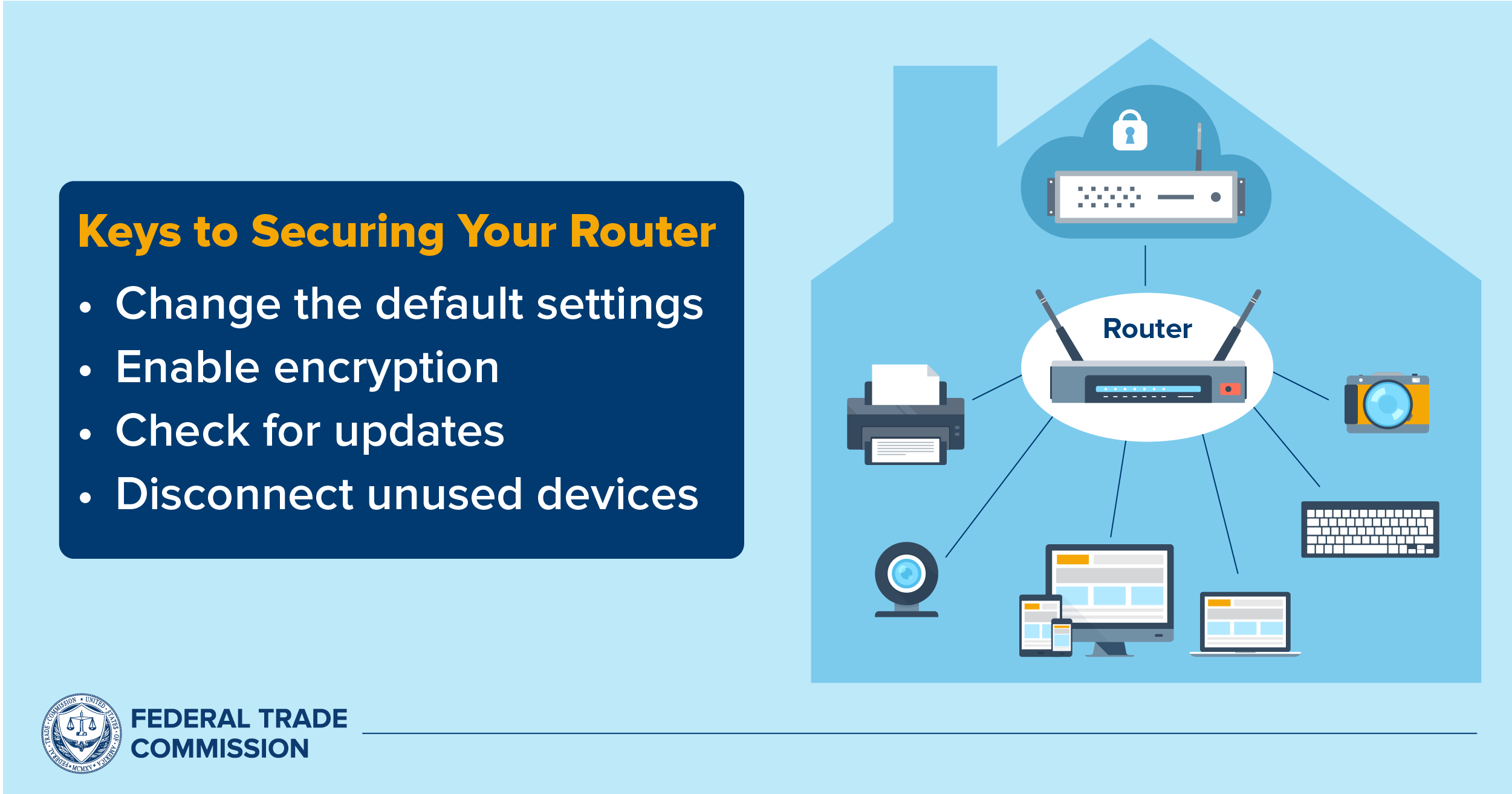
The rise of smart home devices has transformed everyday living, but the question remains: how smart are smart home devices really? These gadgets, ranging from smart speakers to automated lighting systems, utilize artificial intelligence and machine learning to enhance user convenience. For instance, devices like the Amazon Echo can recognize voices, understand commands, and even learn user preferences over time. However, this level of intelligence varies significantly between devices, with some demonstrating advanced capabilities and others merely offering basic automation.
When evaluating the intelligence of smart home devices, it's essential to consider factors such as connectivity, integration, and responsiveness. Many devices now support protocols like Zigbee or Z-Wave, allowing for seamless communication within the smart home ecosystem. Additionally, smart home devices often rely on cloud computing to process data, which can impact their speed and reliability. In conclusion, while these devices introduce a new level of convenience to our lives, their effectiveness can be inconsistent, revealing that not all smart home devices are created equally.